 Summary
 Biography of
Werner Herzog
 Biography of
Gisela Storch-Pestalozza
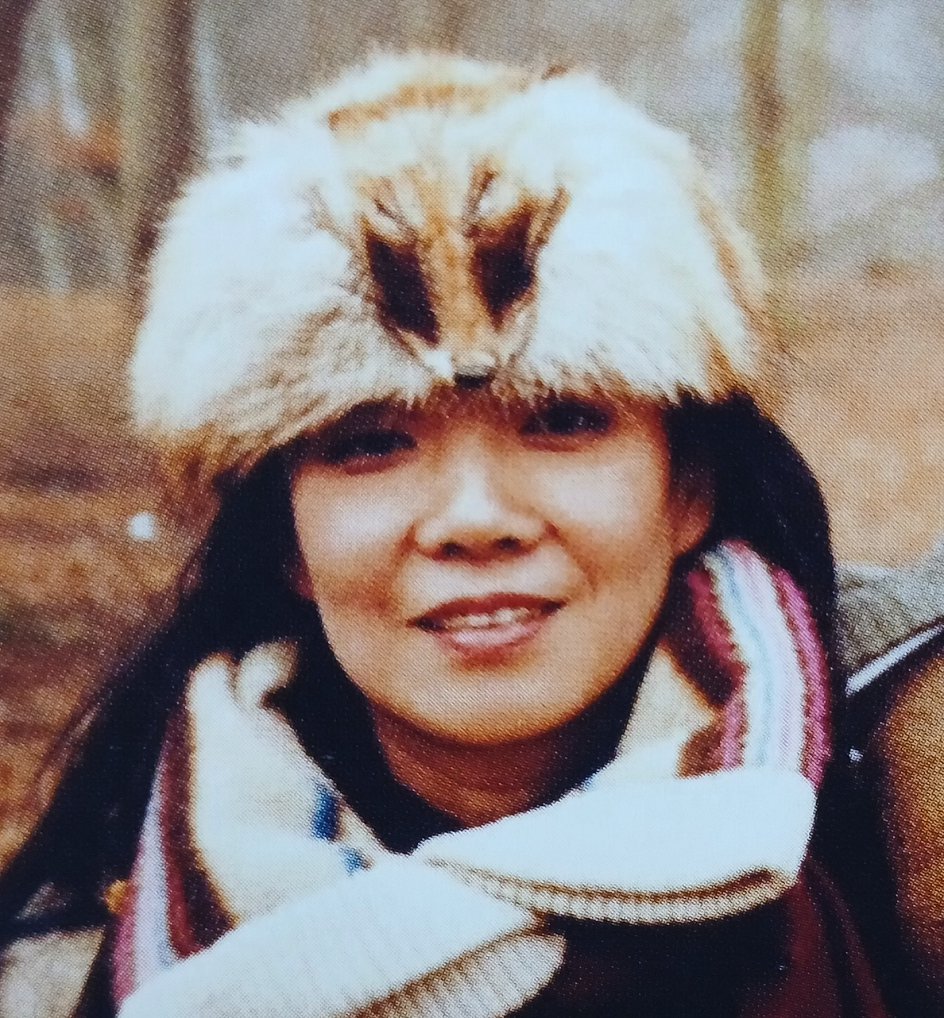 Biography of
Reiko Kruk
Inhaltsangabe
Credits
- Titel: Nosferatu – Phantom der Nacht
- Erscheinungsjahr: 1979
- Regie: Werner Herzog
- Drehbuch: Werner Herzog nach dem Roman Dracula von Bram Stoker sowie dem Drehbuch von Henrik Galeen zu Nosferatu – Eine Symphonie des Grauens (1922)
- Produktion: Werner Herzog Filmproduktion, ZDF, Gaumont International S.A.
- Kamera: Jörg Schmidt-Reitwein
- Schnitt: Beate Mainka-Jellinghaus
- Musik: Popol Vuh
- Kostümbild: Gisela Storch-Pestalozza
- Make-up: Reiko Kruk, Dominique Colladant
Hauptdarsteller*innen
- Klaus Kinski – Graf Dracula / Nosferatu
- Isabelle Adjani – Lucy Harker
- Bruno Ganz – Jonathan Harker
- Roland Topor – Renfield
- Walter Ladengast – Dr. Van Helsing
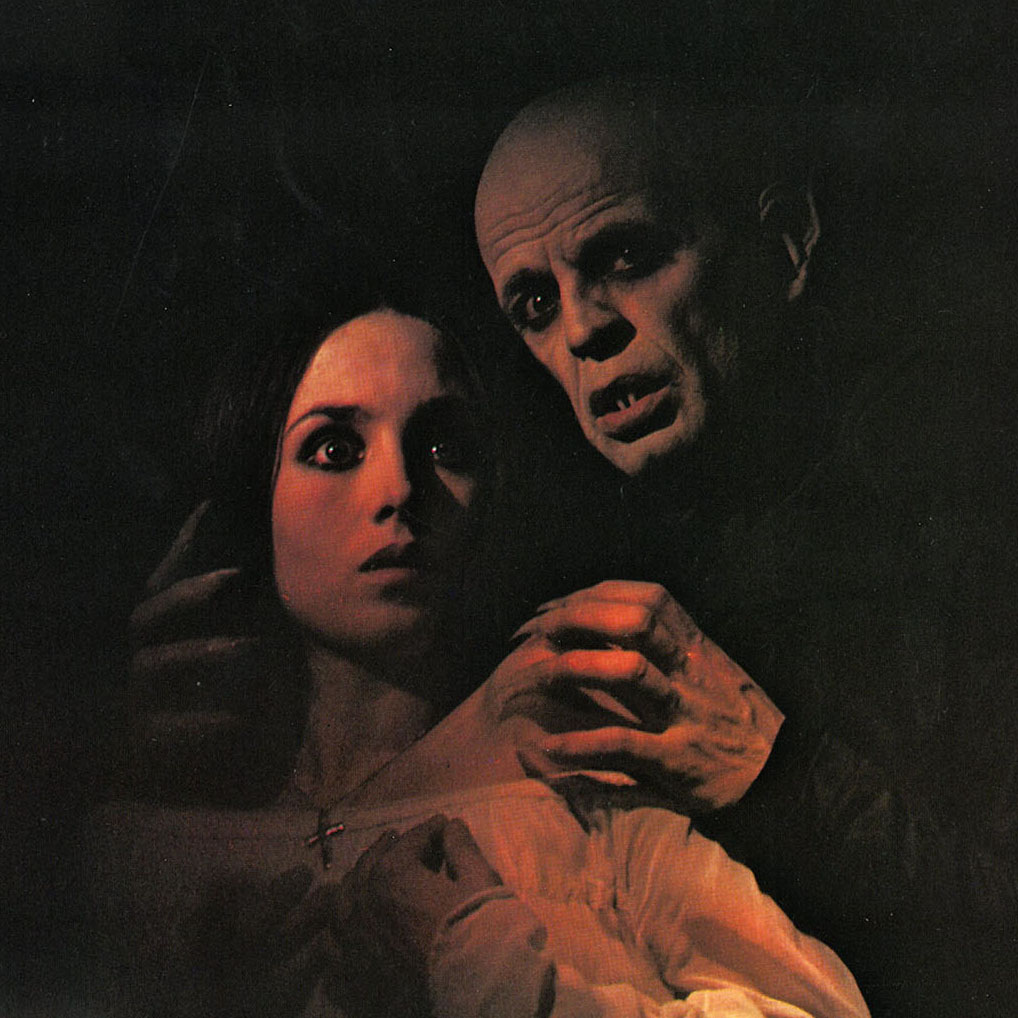
"Nosferatu the Vampyre" is a 1979 German-French horror film directed by Werner Herzog. The film bears clear parallels to Friedrich Wilhelm Murnau’s silent film "Nosferatu: A Symphony of Horror" (1922). As director Herzog emphasizes, his film is a tribute to Murnau’s work, and he followed the original both in terms of content and visuals.
The interplay of light and shadow is present in both films, and Klaus Kinski’s Nosferatu closely follows Max Schreck’s original portrayal, although he appears more human and emotional in Herzog’s version. The film was shot in Delft and Schiedam (Netherlands) as well as at several locations in what was then Czechoslovakia. In addition to Kinski, the film also features other well-known actors and actresses such as Bruno Ganz and Isabelle Adjani.
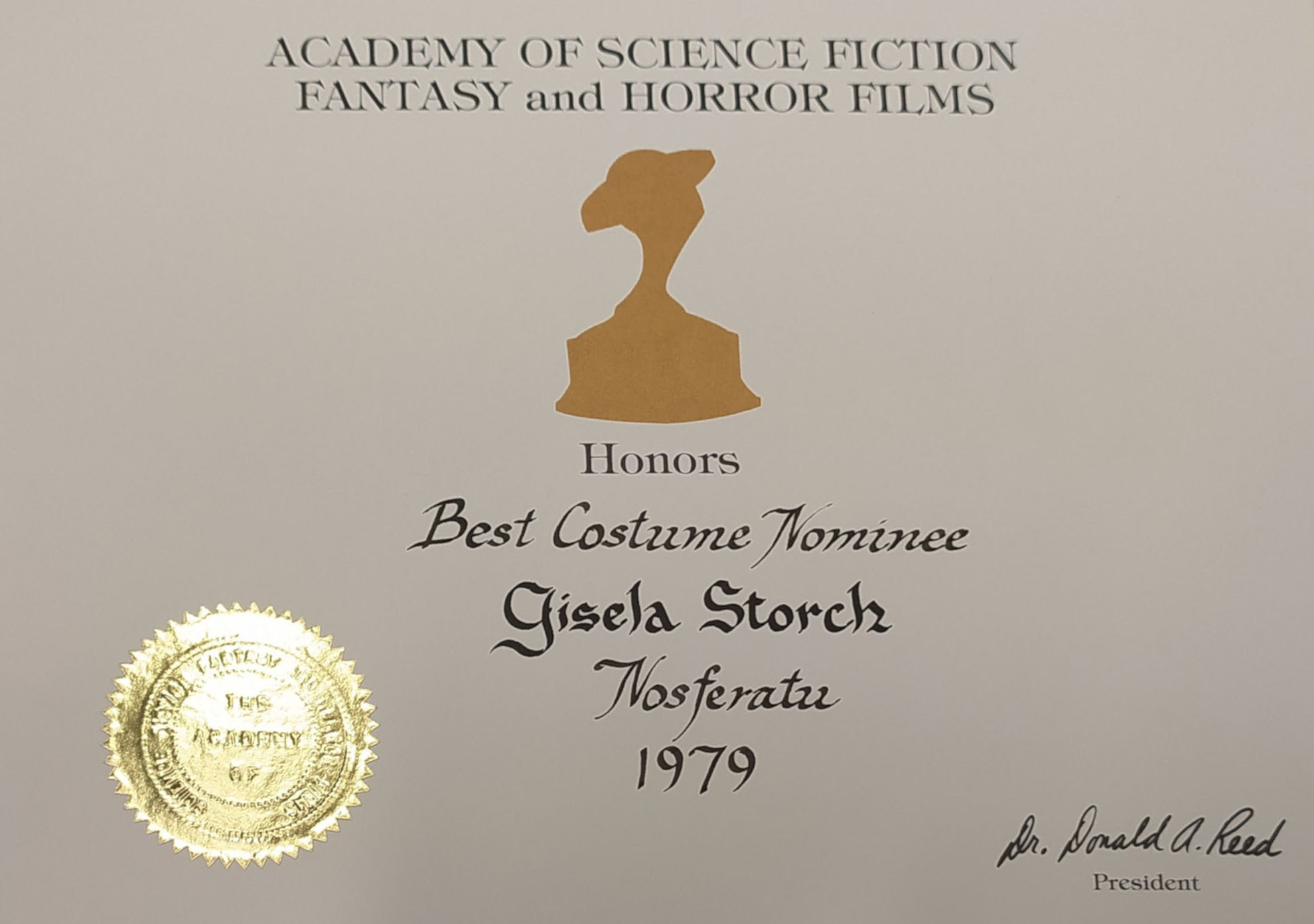
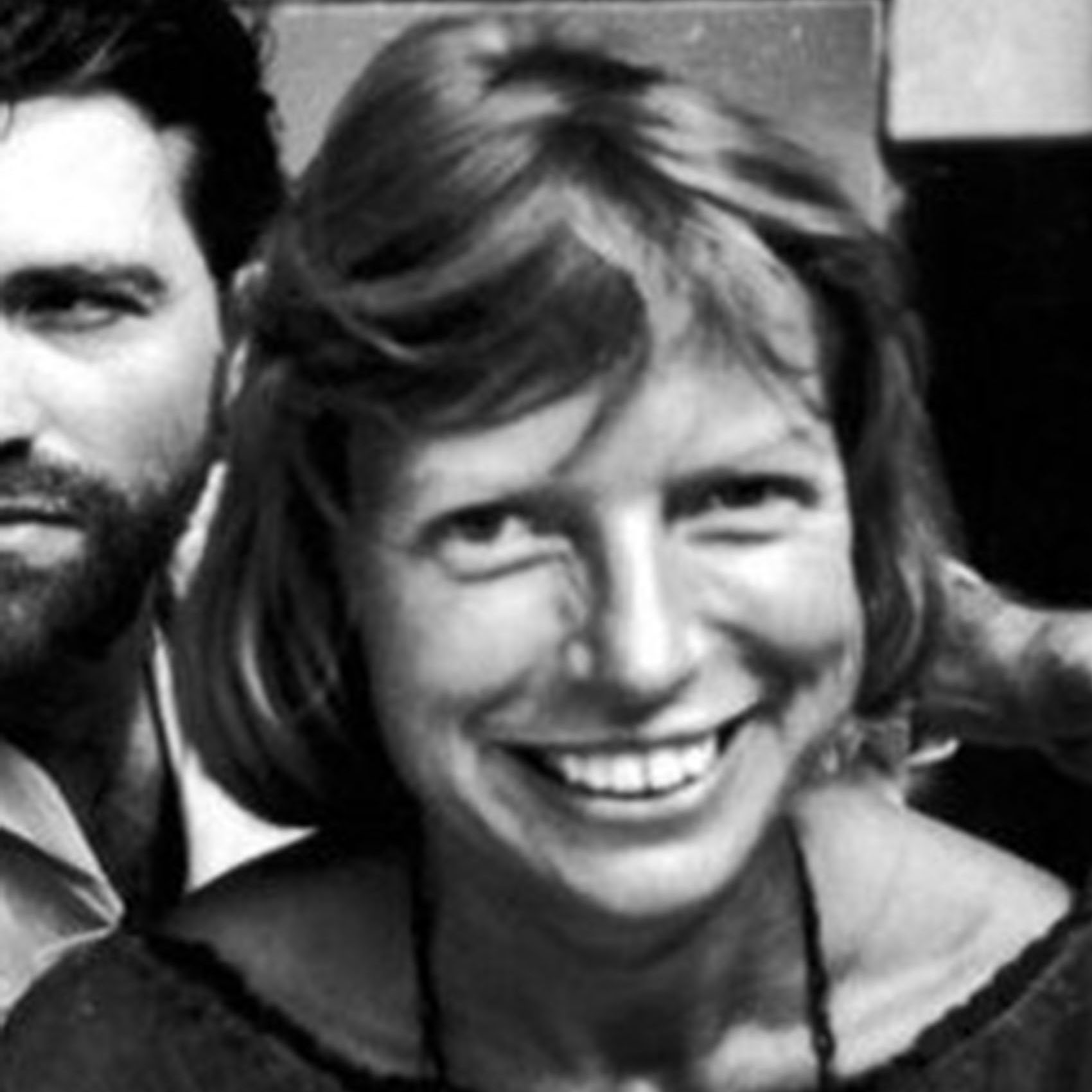
Gisela Storch-Pestalozza was responsible for the costume design. Reiko Kruk, a Japanese make-up artist living in France, created the elaborate make-up for Klaus Kinski, which involved applying several prosthetics in a process that took nearly three hours.
Werner Herzog
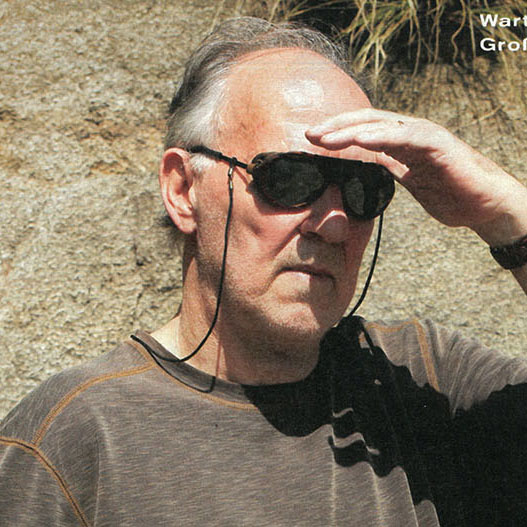
Werner Herzog, born in Munich on September 5, 1942, is a German director, author, and actor. He is one of Germany's best-known filmmakers and has released over 70 feature films and documentaries, which have been shown at numerous international festivals and won several awards. Herzog belongs to a generation of filmmakers that gained prominence as the New German Cinema, though he himself distances from this label.
In his films, Herzog often brings people and nature together in remote locations. He does not seek an objective reality, the boundaries between fiction and documentary are often blurred.
Herzog enjoys working with a close-knit team, which is why costume designer Gisela Storch-Pestalozza has collaborated on several of his films. He produced the majority of his films himself through his production company to maintain the greatest possible artistic independence.
Since the mid-1990s, Werner Herzog has lived in Los Angeles, USA, where he is known as an exotic star director with a distinctive accent and an idiosyncratic view of the world. In 2009, he was nominated for an Academy Award in the category Best Documentary for „Encounters at the End of the World“. In the same year, Time magazine named him one of the 100 most influential people in the world.
His biography „Every Man for Himself and God Against All: A Memoir“ became a bestseller in 2022. In 1979, he gifted Klaus Kinski's costume of Count Dracula to the Düsseldorf Film Institute, which later became the Düsseldorf Film Museum.